Racing
 League
 Rugby
Rugby
 Football
 Cricket
 Golf
Golf
 Sport Nation
 Motorsport
 Netball
 Basketball
 Combat Sports
 Olympics
 Other Sports
'I don’t believe in paying athletes': IOC boss on the Olympics' future
Alex Chapman • May 22nd, 2026 4:35 pm
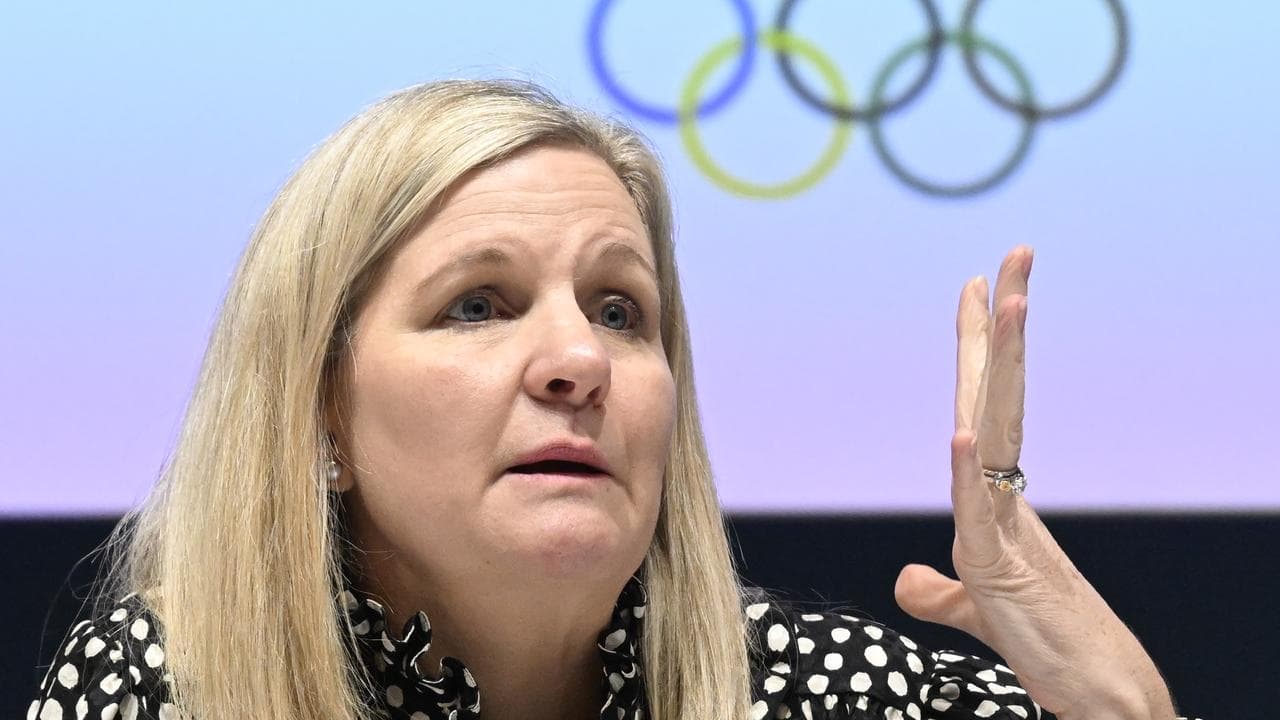
IOC president Kirsty Coventry | Photo: EPA
The boss of the International Olympic Committee is holding firm on her refusal to allow athletes to be paid at the Games.
Kirsty Coventry has been in New Zealand this week enjoying local hospitality and culture, and meeting with various Olympic officials from around the Pacific.
A big focus of Coventry’s in her first 10 months as IOC President has been making the Games ‘Fit For Future’.
“We needed to just pause for a little bit and really reflect and better understand and take stock of where we are now, the things that we have, the things that we’re doing. And then figure it out, is it still relevant? Are those the same things that we need to do? How do we evolve?”
Where they won’t be evolving though is athlete payments.
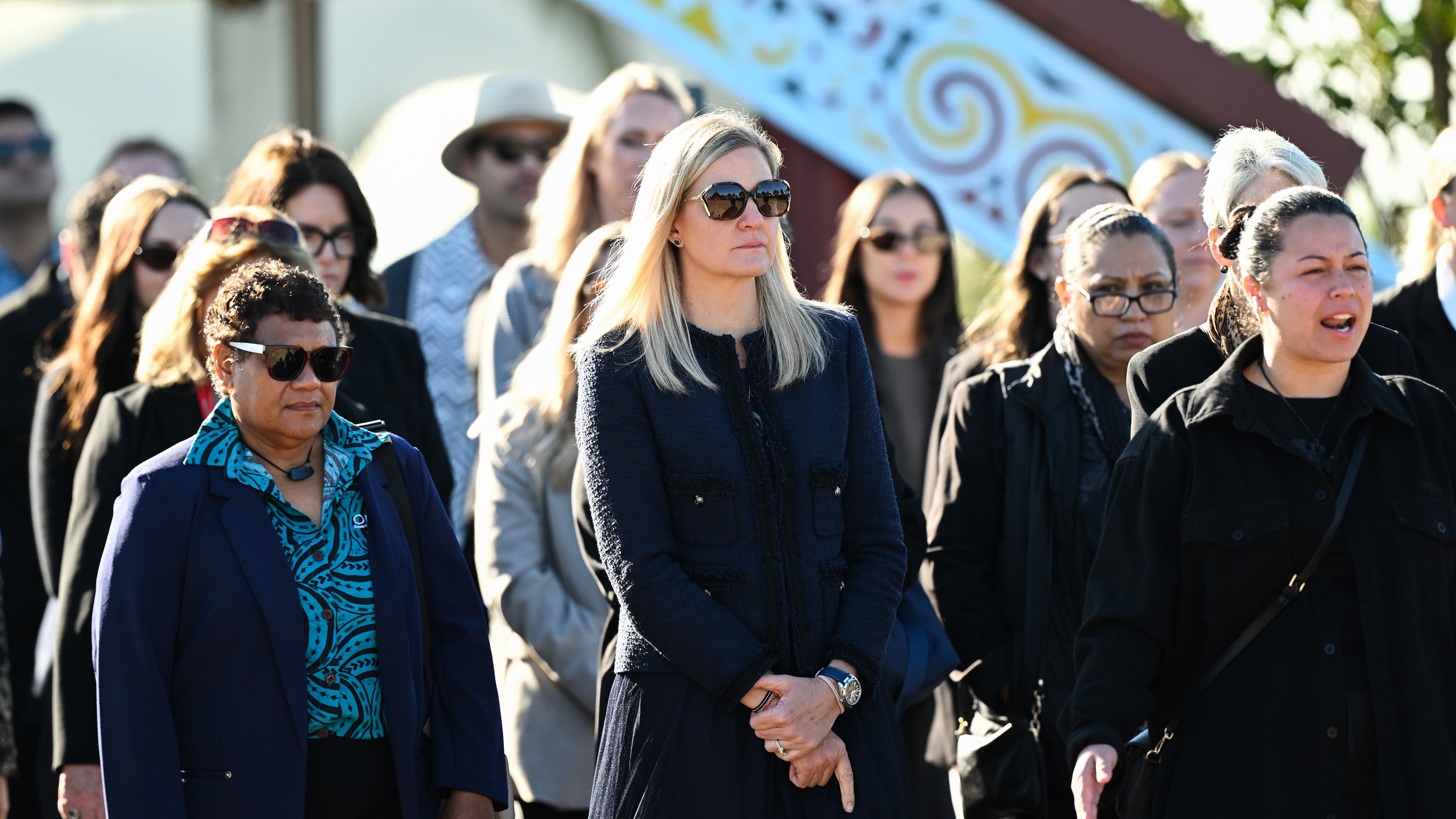
International Olympic Committee President Kirsty Coventry (centre) during an official pōwhiri and cultural welcome at Orakei Marae | Photo: Photosport
The current model for Olympians sees them financed by a combination of national sporting organisations (often through taxpayer funding), sponsorship and self-funding.
However once they get there, they don’t receive any payment for participation at the Olympics, or for winning.
“I don’t believe in paying athletes” Coventry told Sport Nation.
“I come from a small country, I came from a sport that doesn't necessarily pay athletes very well and I still don't think we should be paying athletes at the Olympic Games.”
Research has shown that of the approximate US$1.5 billion (NZ$2.4b) brought in by the IOC per Games, only 0.5 percent goes back to the athletes, either through their national Olympic committees or through Olympic solidarity.
World Athletics became the first governing body to offer prize money to Olympic champions, when gold medalists received $85,000 NZD at Paris.
Olympic flame burns bright for Hayden Wilde | Sport Nation
Coventry does believe though that the IOC needs “to find more ways to directly impact athletes and find ways to help them on their journey to becoming Olympians and while they’re Olympians.”
Among those ways are helping with talent identification and career transitions.
“I was an Olympic solidarity scholarship holder without that money. I’m not sure I would have been as successful, and so I’m so grateful for that.”
Among further financial criticisms the IOC’s faced is a lack of athlete compensation when their name, image and likeness (NIL) are used.
Essentially, the IOC can use athletes’ NIL to promote or celebrate the Games, but they receive nothing in return.
One of the most high-profile examples of changes to the arrangement came in American college sports.
Student-athletes had been prohibited from making deals to profit from their fame, meaning they had to forfeit their NIL rights when they signed with schools.
However in 2021, the NCAA changed the rules to allow them to.
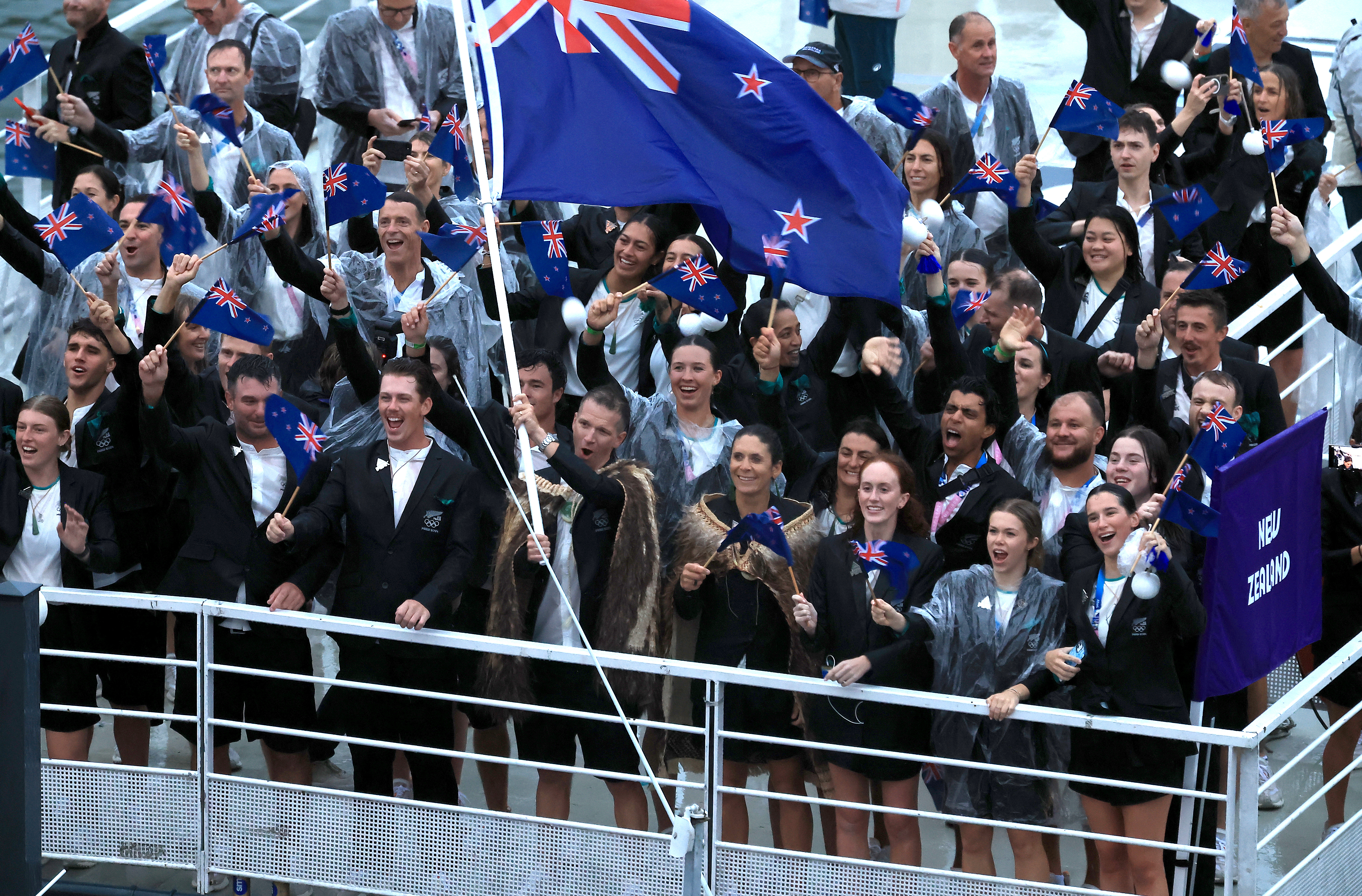
The NZ Team during the opening ceremony at Paris 2024 | Photo: Photosport
Coventry doesn’t believe the IOC should adopt a similar model.
“Well, they get beautiful venues. They get beautiful villages. They get a beautiful experience. And all of that comes from the money that we raise.” Coventry defended.
Coventry points to how the money goes into the Organising Committee of the Olympic Games (OCOG).
“So again, what I challenge athletes, international federations, that are always asking for more money, national Olympic committees, the solidarity model is very particular.
"Now, if the entire movement wants us to change, we would have not as many countries, we'd have not many sports, we'd be very particular on what that would look like. I don't think that's the Olympic Games and I don't think the Olympic movement thinks that's the Olympic Games.”
Another divisive topic that Coventry’s dealing with is the potential return of Russian and Belarusian athletes competing under their own flags at the Olympics.
Since the invasion of Ukraine, Russian and Belarusian athletes have had to be vetted to be allowed to compete under neutral status across sport, including the Olympics.
However with several global bodies, most recently gymnastics where Russia has a strong history, allowing athletes to return to competing under their own flags, it paves the way for the IOC to do so at the LA28 Summer Olympics.
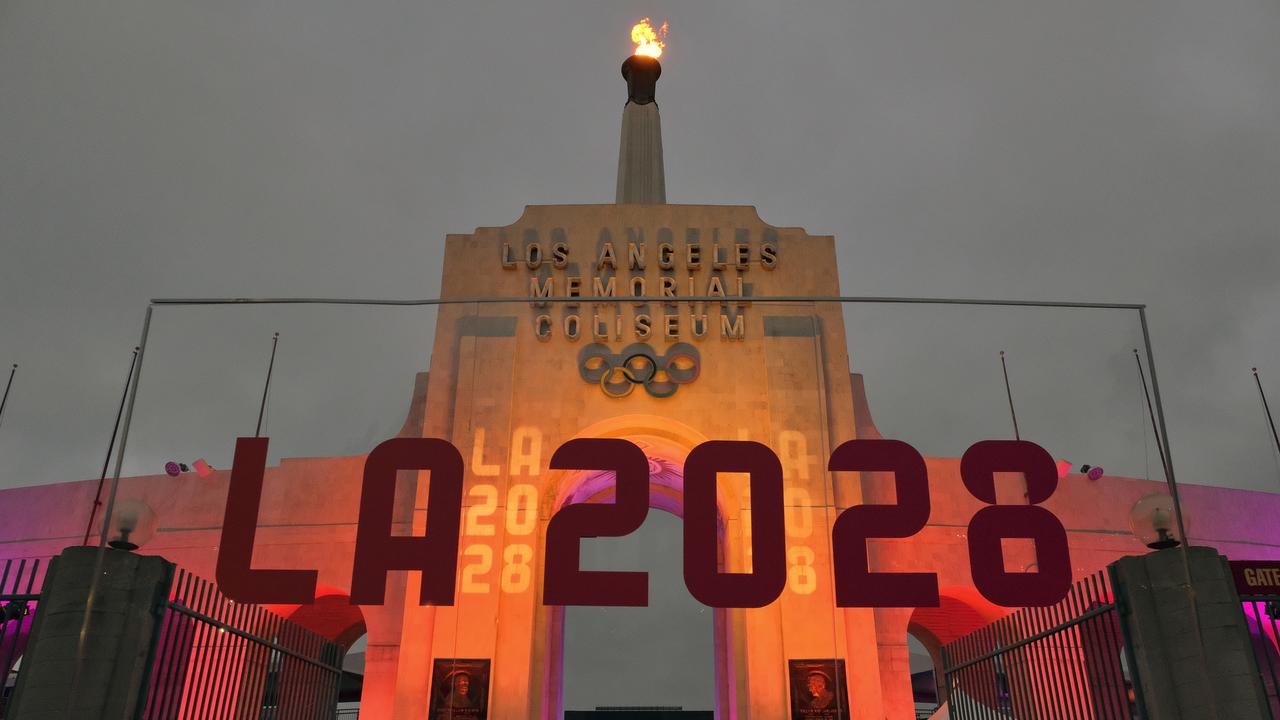
The Memorial Coliseum will be one of two locations for the 2028 Los Angeles Games opening ceremony | Photo: AP
In December, the International Olympic Committee recommended Russian and Belarusian athletes at international youth events be allowed to compete under national flags. The IOC kept its neutral requirements for senior competitions, with Russians and Belarusians referred to as "Individual Neutral Athletes" at this year’s Winter Olympics.
“I'm very clear that I don't think athletes should be held responsible for the choices their governments make, but the responsibility that an athlete then has is that they live and breathe by the Olympic values.” Coventry stated.
“So if they are promoting values we don't agree with, then we should be a strong enough organisation and have certain things in place to say, you're not welcome to the Games.
Coventry emphasised that one of those areas is doping.
“That is something very much in our control. We can't control what governments choose to do, but we can control what happens on the field of play. And that is where I believe we need to focus and ensure that we give that trust to those athletes so that it doesn't matter who they're standing next to, they have the full confidence that everyone is clean and it's a fair and level playing field.”
They just won’t be getting paid to do so.
Vladyslav Heraskevych on why it's not so simple to keep politics out of sports | Sport Nation