Commonwealth Games
 League
 Rugby
Rugby
 Football
 Cricket
 Golf
Golf
 Sport Nation
 Racing
 Motorsport
 Netball
 Combat Sports
 Basketball
 Other Sports
Harata Butler: The full-time sacrifice required for semi-professional NRLW
Savannah Lendich Jonkers • July 24th, 2026 7:20 am
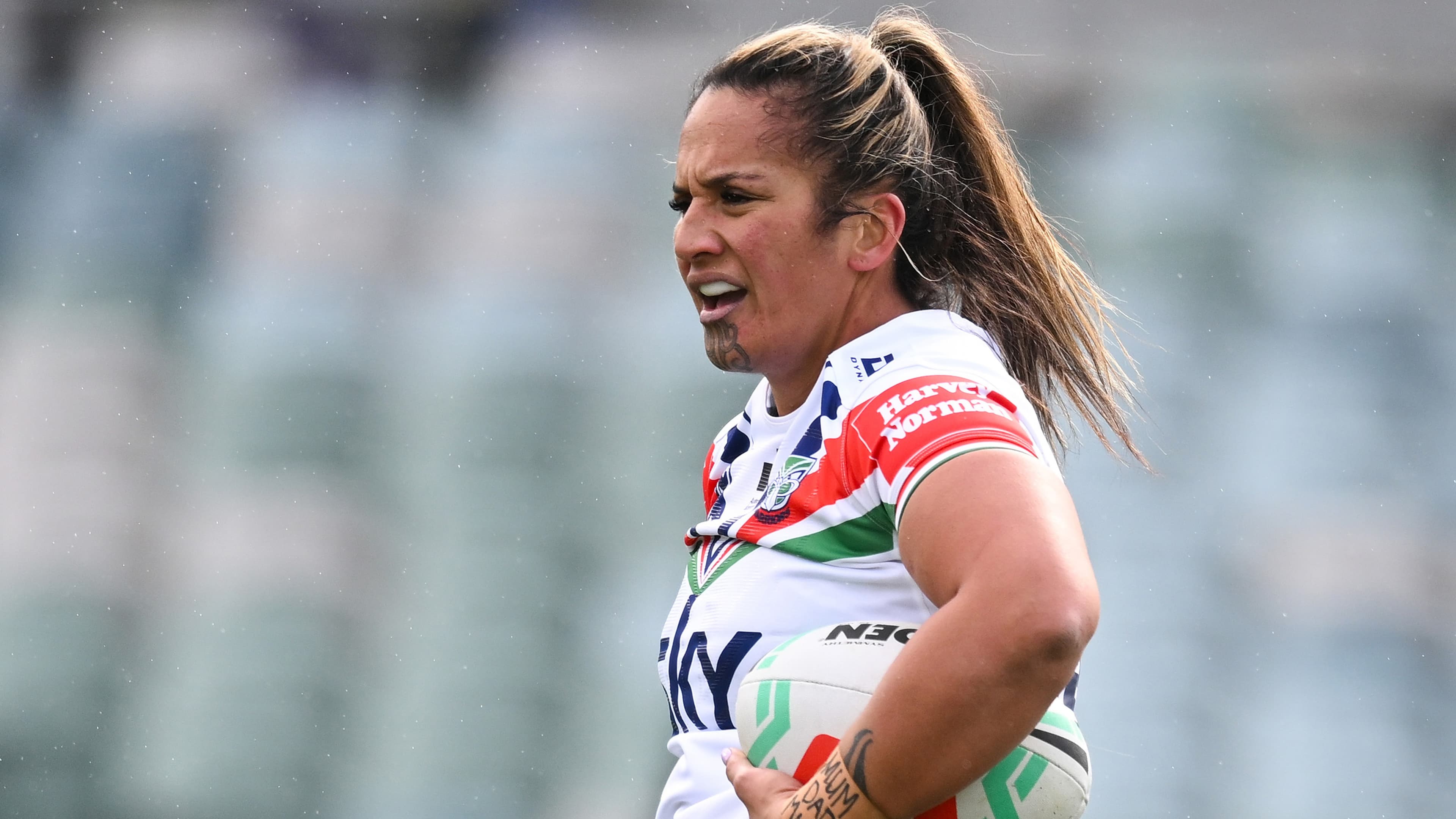
Harata Butler | Photo: Lukas Coch/Photosport
The hardest part of playing elite rugby league is not always what happens on the field.
For many NRLW players, the toughest challenge is balancing life’s fundamentals - family, work and relocation, all while still being expected to perform like full-time professional athletes.
And Warriors hooker Harata Butler, who is also a mother living away from home is a prime example.
She told The Six Again Podcast life would be 100 per cent easier if the NRLW was to transition from semi-professional to full-time, where players could focus completely on their performance and recovery.
“You would only have one boss to talk to, you'd only have to have one set of hours you have to fulfil and make sure that you're hitting that quota and you can actually solely focus on your footy and keeping your body in the best shape and position it needs to be.”
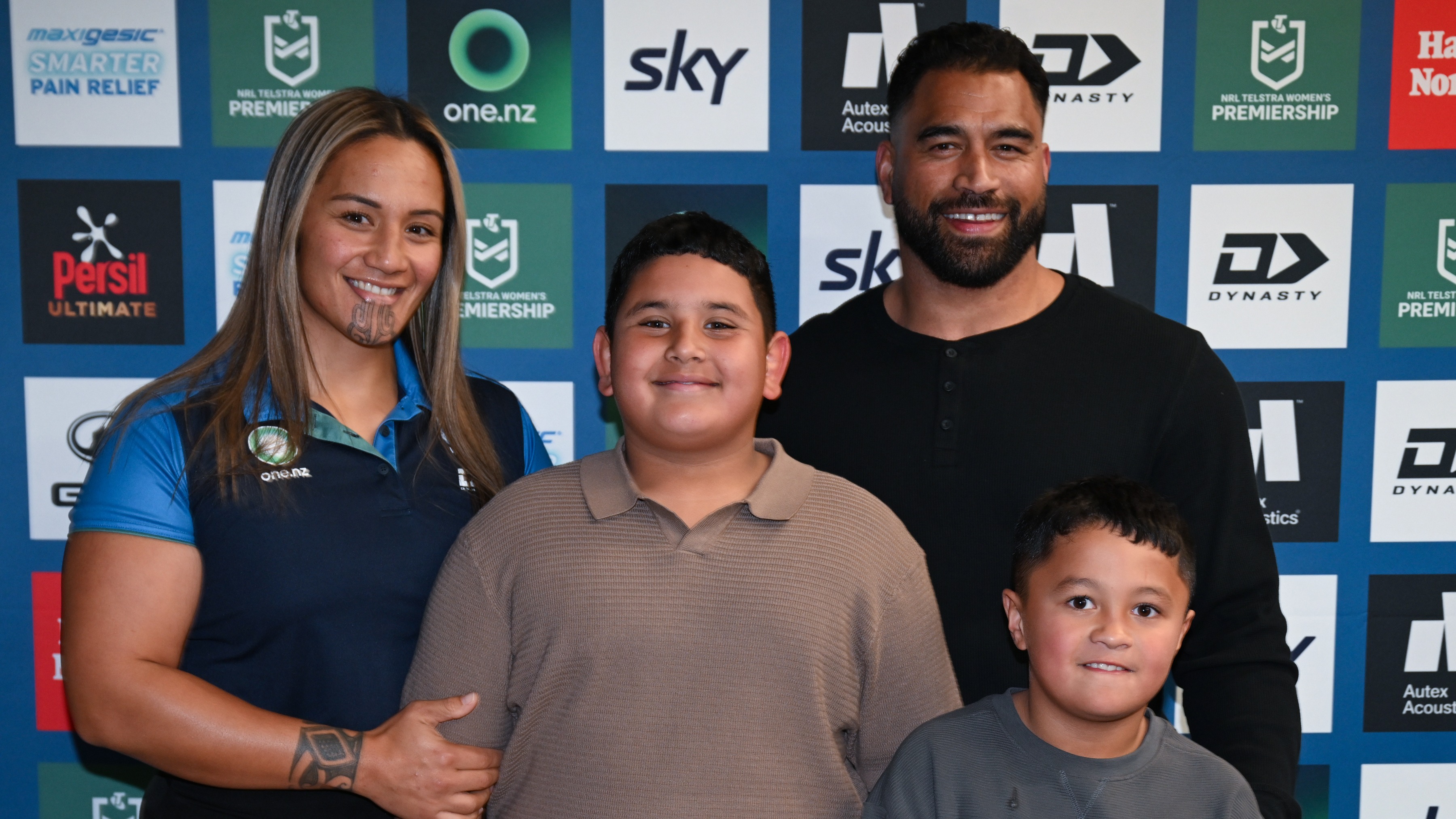
Harata Butler and family | Photo: Andrew Cornaga/Photosport
Instead, her current reality is a constant juggling act.
“I'm temporarily relocated. I live in Kirikiriroa, Hamilton. Fortunately enough, with the scheme of relocation, I'm in Onehunga at our apartments here, camped up with one of my other fellow Waikato players, Capri Paekau
And away from rugby league, she works in a role that carries its own demands.
“I am a youth navigation and transition worker for Mana Services and it's a contractor job with Department of Corrections working with rangatahi between the ages of 18 and 24 that are transitioning out of prison.”
“I've got that pretty much 8 to 4pm. That's our protected hours to get that mahi done and as you can understand, it takes a lot. When you're working with people hands-on and you're actually helping shape their lives, it requires meaningful engagement.”

Harata Butler | Photo: Bruce Lim/Photosport
Then, once the workday is done, another shift begins with training from 4-8pm.
“I'm just very grateful for my mahi and my boss for understanding my commitments to rugby league.”
For players with children and partners, that toll does not stop when training ends. There is still a home to return to, relationships to nurture and family to show up for.
“On top of that, I also got to remember how much I've got left in the tank for my own family, for my kids, for my partner, and have to take a bit a moment and make sure that I'm leaving some in the tank for them and they're not actually just getting the fumes.”
She suggested without family support, the experience would be impossible.
“With a very supportive partner whose holding it down at home with our kids and our whare for me to just ‘hey I'm home tonight, I've got to go in the morning, I'll be back in two days time, we're flying away in the weekend, I probably won't get back to the day after we get back because of A, B and C,’ so it's a bit of a circus, but it's the only circus in town that I'd love to play a part in.”
Jay Huriwai on silencing self-doubt ahead of her first NRLW start | The Six Again Podcast
And after it all, it’s trying to produce elite football every weekend while carrying full lives away from the field.
“I think us as Wahine, even our girls, we've got students in our team. We've got police women, we have other youth workers, we got lawyers, pursuing to be a lawyer.
“We're doing a brilliant job and trying to produce the best quality footy that we can, every weekend but just know there's a lot of mahi happening behind the scenes.
“I can't wait to see this game go full time so that our girls can fully understand the space of being a full-time professional wahine athlete.”
Listen to the podcast below: