Racing
 League
 Rugby
Rugby
 Cricket
 Golf
Golf
 Olympics
 Football
 Netball
 Motorsport
 Combat Sports
 Basketball
 Other Sports
 Sport Nation
 Full Noise by SN
HRNZ outlines harness racing calendar changes within the 2026/27 TAB NZ Racing Calendar
Harness Racing New Zealand • May 20th, 2026 5:11 pm
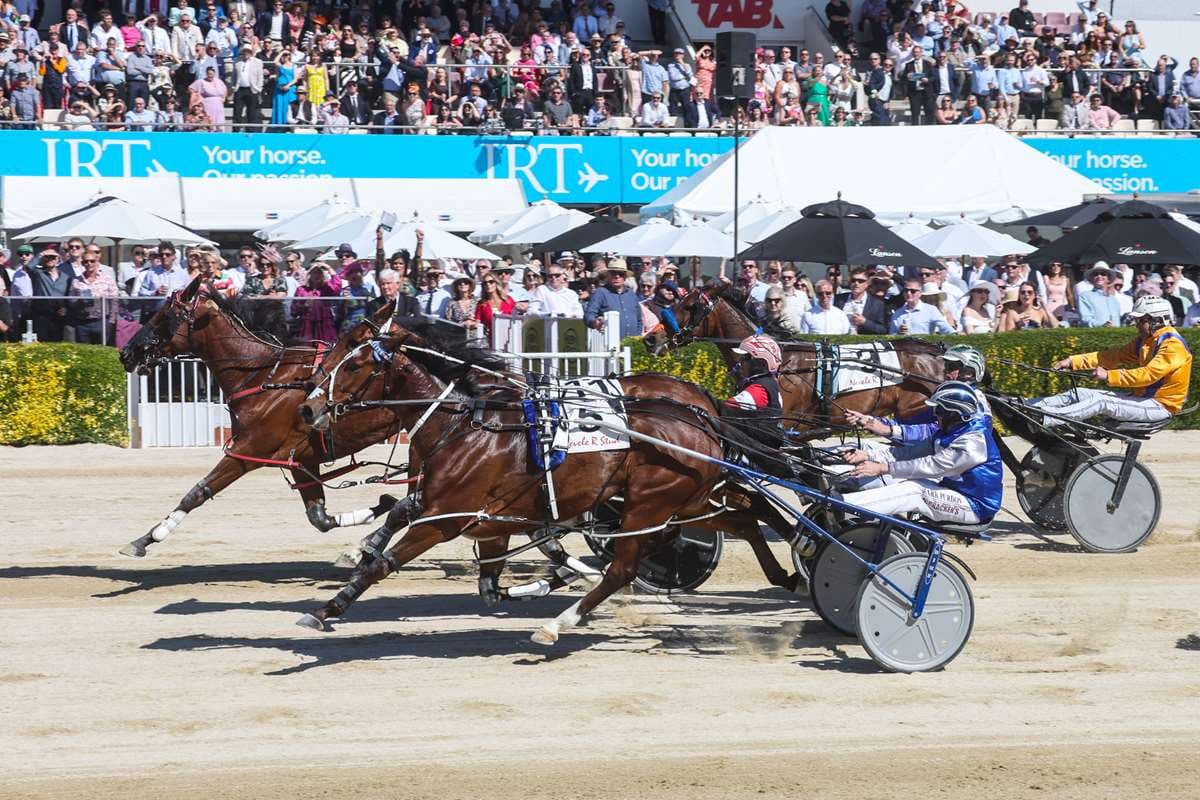
Following the release of the 2026/27 TAB NZ Racing Calendar, Harness Racing New Zealand is outlining a number of changes to the national harness racing calendar | Photo: Supplied
Following the release of the 2026/27 TAB NZ Racing Calendar, Harness Racing New Zealand is outlining a number of changes to the national harness racing calendar designed to strengthen race quality, improve field sizes and support the long-term sustainability of the sport.
The Future Starts Now remains the long-term strategy for harness racing in New Zealand, with the 2026/27 programme changes representing a midpoint adjustment focused on stronger and more competitive racing, following an independent review of racing programme performance, field size trends, venue utilisation and the alignment between race opportunities and horse population.
HRNZ Chair Grant Jarrold said the new season calendar provided an important opportunity to strengthen the competitiveness of harness racing across New Zealand.
“The objective is straightforward - stronger fields, more competitive racing and a programme that supports the long-term future of harness racing in New Zealand.
“The review showed that while many parts of the programme are performing strongly, some areas required better alignment between race opportunities, horse supply and wagering performance.”
The independent analysis identified that in some North Island regions the number of race meetings being conducted was placing pressure on field sizes and race competitiveness, particularly during off-peak periods where horse numbers are traditionally lower.
As a result, the 2026/27 harness racing calendar includes a number of changes designed to strengthen race quality and wagering outcomes.
North Island calendar changes
The updated programme changes recognise:
• an imbalance between the number of horses trained in some regions and the number of race meetings being conducted
• the impact lower-than-average field sizes can have on wagering performance
• the need to consolidate Auckland/ Waikato meetings during off-peak periods to improve race competitiveness and wagering outcomes.
As part of those changes:
• Auckland will move from 46 meetings to 41 meetings, including one Ruakaka grass track meeting
• Cambridge will move from 39 meetings to 38 meetings including four Taupō grass track meetings
• Manawatu will move from 17 meetings to eight meetings, with meetings programmed as stronger two-day race programmes
• The Kapiti Coast HRC and Wairarapa HRC meetings will be raced at Hawera.
Minimal South Island changes
The South Island harness racing calendar remains largely unchanged, with only minor adjustments made to improve programming flow and operational efficiency.
In Southland, there will be a reduction of two meetings as part of efforts to optimise surrounding meetings during periods where horse numbers are traditionally lower.
The independent analysis confirmed that Canterbury is performing well and remains the strongest region across horse population, field size and wagering performance.
Independent analysis informed decisions
The independent analysis commissioned by the HRNZ Board as part of the ongoing review of The Future Starts Now strategy examined:
• field size trends
• wagering outcomes
• venue utilisation
• horse population distribution
• programme performance across the national network.
HRNZ Head of Racing and Wagering Matt Peden said the work was focused on ensuring the racing programme remained sustainable and effective over the long term.
“This was about taking an evidence-based approach to ensure the racing programme is aligned to where horses are based and where the strongest wagering opportunities exist.